
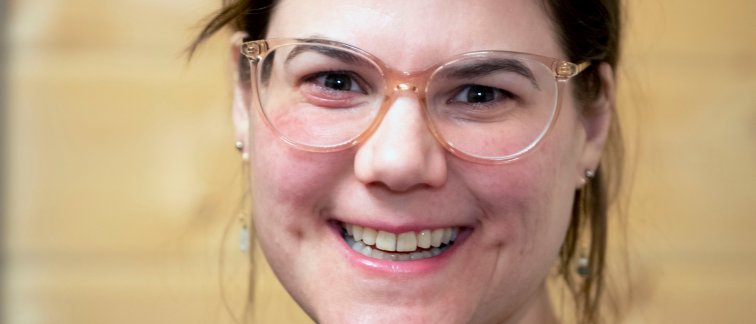
Linda Douw, associate professor and Head of the Section Multiscale Network Neuroscience, is one of eleven project leaders awarded a share of 5.9 million euros by the Hanarth Fonds. The fund stimulates the use of artificial intelligence and machine learning to improve the diagnosis, treatment and outcomes of people with cancer, with a particular focus on rare cancers.
Cancer-related fatique
With the project FAIR-CARE, Linda and CCA colleagues Hanneke van Laarhoven, Mona Zimmermann and Hans Knoop together with collaborators from the UvA aim to transform the understanding of cancer-related fatigue. This condition is one of the most common and burdensome challenges for people living with and beyond cancer, yet its underlying causes remain unclear and treatment responses vary widely.
Symptom networks
The team will use advanced AI methods to study how symptoms interact rather than examining them one by one. By building symptom networks from data of thousands of patients with different cancer types, including rare cancers, they hope to identify the patterns that distinguish severely fatigued patients from those who experience little fatigue.
Care that fits needs
Ultimately, the findings will help clinicians better understand cancer-related fatigue, reduce unnecessary tests and questionnaires, and guide more personalized treatment so that patients receive care that truly fits their needs.