
Breakthrough Discovery
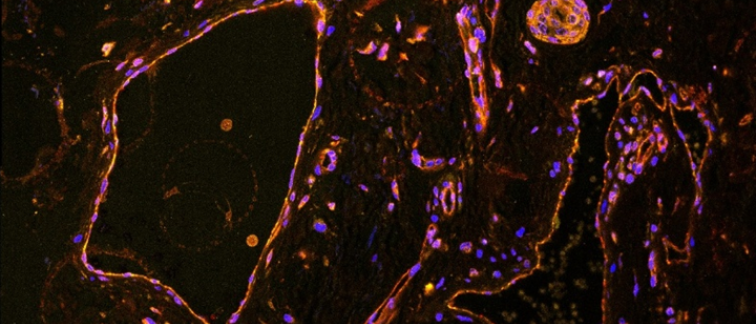
The multidisciplinary team has pinpointed the Calcineurin-NFAT-DSCR1.4 signaling axis as a critical factor in the development of capillary malformations caused by mutations in the GNAQ gene. Their work used advanced proteomics and patient-derived tissue to unravel the molecular mechanisms behind these vascular lesions.
Restoring Endothelial Function
The study found that inhibiting Calcineurin with tacrolimus could partially normalize signaling in mutated endothelial cells. Even more notably, removing DSCR1.4 restored the cells’ ability to migrate and form new blood vessels.
Potential for New Therapies
“Our research shows that by targeting DSCR1.4, we can restore key endothelial functions that are disrupted in these patients,” explained first author Tong Xu. “This finding, and the cellular tools we have developed, opens up new research possibilities for developing therapies.”

Clinical Implications
"Currently, patients with Sturge-Weber syndrome and capillary malformations have limited treatment options,” said senior author Stephan Huveneers. “By identifying this specific signaling pathway, we provide a clear direction for the development of targeted, disease-modifying drugs.”

targeted, disease-modifying drugs.