
ACS researchers dr. Koen Prange and prof. dr. Menno de Winther and their colleagues from the department of Medical Biochemistry have uncovered how specific immune cells in arterial plaques can help predict the risk of heart attack and stroke after surgery. The
findings could lead to better identification of high-risk patients and improved treatment strategies.
Understanding Atherosclerosis
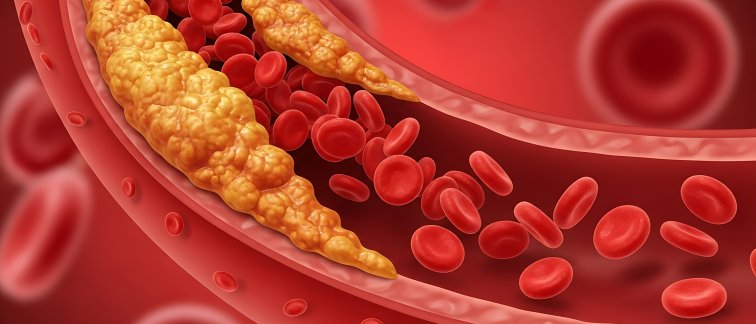
Atherosclerosis is a disease where fatty deposits and immune cells build up in arteries, restricting blood flow leading to serious health issues. Macrophages are key players in atherosclerotic development, but until now the different types of macrophages inside these fatty plaques and how they relate to future health problems was not fully understood.
Four Macrophage Types
The team analyzed plaque and blood samples from patients undergoing carotid endarterectomy. They discovered four main types of macrophages in the plaques: inflammatory macrophages, lipid-associated macrophages (LAMs), tissue-resident-like LAMs, and inflammatory LAMs (iLAMs). “Our study provides critical insights into the functional differences and origin of macrophage subpopulations in human atherosclerosis,” Prange explains.
Predicting Future Events
Patients with higher levels of markers for certain harmful macrophage types, LAMs and iLAMs, were more likely to experience major adverse cardiovascular events such as heart attack or stroke in the years following surgery. “Macrophages were the only cell population significantly associated with both symptoms at time of surgery and increased risk of major adverse cardiovascular events during follow-up,” notes De Winther.
Towards Better Risk Assessment
Markers such as PLIN2 and TREM1 could help doctors identify high-risk patients. “These findings show the clinical significance and risk prediction value of macrophage subpopulations in relation to future cardiovascular events,” adds Prof. Menno de Winther.
Future Perspectives
This research paves the way for more personalized approaches to cardiovascular care, focusing on the immune cells within artery plaques. As Dr. Prange concludes, “Our work suggests that targeting these macrophage types could improve outcomes for patients with atherosclerosis.”
Photo: Adobe stock