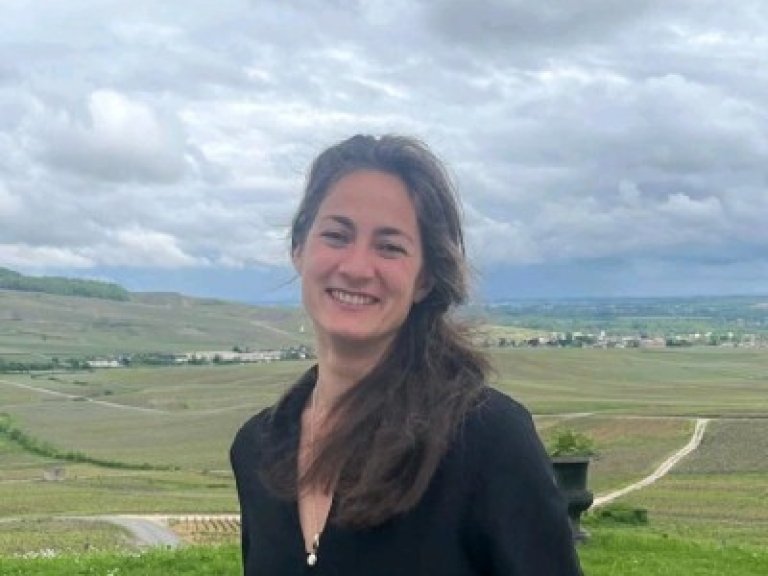
During Postdoc Appreciation Week, we are once again shining a spotlight on the postdoctoral researchers at Amsterdam Cardiovascular Sciences. Postdocs are a vital part of our institute: they contribute to groundbreaking research, mentor young scientists, and bring new perspectives. In this series of short articles, we introduce some of our postdocs to you. We asked them about their research, their motivations, and their experiences as postdocs. Get to know the people behind the science and be inspired by their stories! Today in the spotlight: Eline Kho, postdoctoral researcher at the Department of Anesthesiology.
What impact do you hope your research will have on the field of cardiovascular science or on society?
I hope our research can help move perioperative care away from a more general "one-size-fits-all" approach to blood pressure management.
At the moment, clinicians often work with standard blood pressure thresholds, even though there can be significant differences between patients. By giving clinicians a more patient-specific indication of whether the brain is receiving enough blood flow, our algorithm could help make cardiovascular management during surgery more personalized.
Ultimately, I hope this can help reduce neurological complications and improve patient outcomes. The goal is really to help clinicians focus more on the individual patient in front of them, rather than relying only on general guidelines based on large patient populations.
What do you enjoy most or find most challenging about working as a postdoc, and do you have any tips for other early-career researchers?
I think one of the biggest differences between doing a PhD and being a postdoc is the wider range of responsibilities. During my PhD, I could really focus on data analysis and one main research question. As a postdoc, you have to balance research with supervising others, teaching, collaborations, and grant writing. That can be challenging, but it also makes the work more varied and interesting.
One of the harder parts is dealing with rejection, especially when you've spent months working on a grant or project. My advice would be not to let those setbacks define you. Research is competitive, and rejection is simply part of the process.
Instead, I try to remind myself of the skills and qualities that got me here in the first place. You're in this position for a reason, and often the things you take for granted about yourself are exactly the things that other people value most.
Postdoc appreciation week
This week (21–25 September), the Netherlands is hosting the second edition of Postdoc Appreciation Week NL (PAW_NL).
Events are taking place across the country. This is your opportunity to connect, learn, and celebrate the contributions of postdoctoral researchers at both local and national level.
The program of events at Amsterdam UMC can be found on the Postdoc Network Amsterdam UMC website.