
Stress is part of life. Particularly during adolescence, stressful experiences can accumulate, for example due to performance pressure, changes at home or problems with friends. At the same time, this is the stage of life in which mental health problems may first emerge.
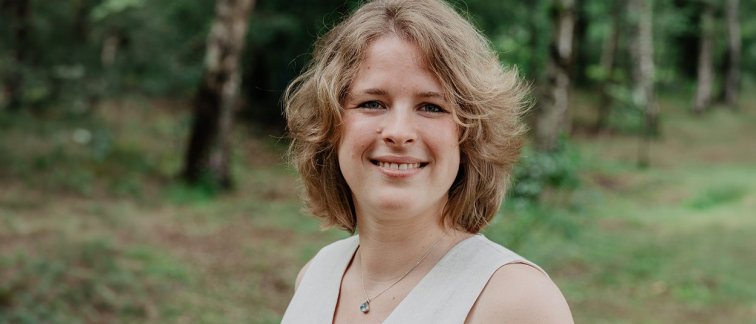
Lianne de Vries studies resilience as the process through which people adapt to stress and maintain or regain their mental health.
A dynamic process
“Resilience is not something you either have or do not have,” De Vries explains. “It is not a fixed characteristic, but a dynamic process that can change over time and across situations. How someone recovers from stress depends on both personal characteristics and the social and physical environment. I want to understand what supports recovery, for whom and at what point in time.”
Resilience is a complex process that develops both in everyday life and over longer periods. To better understand this process, De Vries combines different types of data from more than 13,000 participants in the Netherlands Twin Register, one of the cohorts connected to Amsterdam Cohort Hub. These include longitudinal questionnaire data as well as genetic and family data.
She will also collect new data on the daily lives of young people. Several times a day, participants will complete short smartphone questionnaires about stress, mental health problems, well-being and factors that may support recovery, such as optimism, social support, sleep and their living environment.
Personal and social factors
By combining these data, De Vries can investigate how young people respond to and recover from stress, why this differs between individuals and how resilience develops from childhood into adulthood. She will also examine which factors contribute to good mental health and well-being at different moments.
The findings may help identify young people who need additional support at an earlier stage. At the same time, the research will provide insight into what helps young people develop positively and remain mentally healthy. This could enable prevention and support to be better tailored to what an individual needs and to the moment when it can make the greatest difference.
Source: VU.nl