


A new five-year clinical trial, TARGET, officially began on 1 July 2026. The project will enroll 2,800 children aged 2 to 59 months across Kenya and Tanzania to test whether two widely available antibiotics, azithromycin and ciprofloxacin, can reduce death and hospitalization in children who have both acute watery diarrhoea and malnutrition. The TARGET study is co-led by Amsterdam Institute for Immunology & Infectious Diseases (AI&I) and Amsterdam Public Health (APH) researcher Dr. Vanessa Harris, who is also a member of AI&I’s Collaboration & Synergy Committee.
Diarrhoeal disease remains one of the leading causes of death in children under five in sub-Saharan Africa. Current World Health Organization (WHO) guidelines do not recommend antibiotics for acute watery diarrhoea, yet 25 to 50 percent of cases are caused by bacteria, and children who are also malnourished are more likely to have a bacterial infection and a poor outcome. TARGET was designed to address this gap by focusing on a population that current guidelines do not cover, and by testing treatment in two countries that carry a substantial part of this burden.
‘This research, which studies whether targeted antibiotic therapy in children with malnutrition and watery diarrhea can prevent hospital admissions and save lives, could alter diarrhoeal treatment guidelines. I feel very lucky to work with this multidisciplinary and driven group of collaborators on this landmark study ’.
Dr. Vanessa Harris - TARGET Project Coordinator, Amsterdam UMC
Trial sites in Kenya and Tanzania
The trial will run at sites led by the Kenya Medical Research Institute (KEMRI), enrolling 1,800 children, and the Evangelical Lutheran Church in Tanzania’s Haydom Global Health Research Institute (HGHRI), enrolling 1,000 children. Children will be randomised to receive azithromycin, ciprofloxacin or placebo and followed for three months. During this period, researchers will record hospitalisation, death and nutritional recovery to determine the effectiveness and safety of each treatment strategy.
Biomarkers, climate and capacity building
Beyond the clinical outcomes, TARGET will evaluate stool‑based biomarkers to identify which children are most likely to benefit from antibiotic treatment. The project will also model how climate change could increase or decrease the treatment effect, recognizing that environmental conditions influence both diarrhoeal disease and malnutrition.
The trial includes a strong capacity‑building component. More than 200 nurses, research associates and community health workers will receive training, alongside at least 18 African scientific leaders and nine graduate students, helping to strengthen local expertise in infectious diseases research.
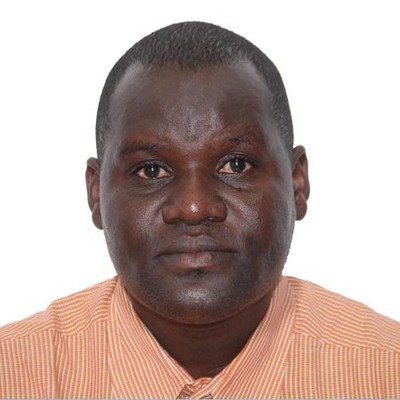
Dr. Omore: ‘The ultimate success of TARGET will not be measured by publications alone, but by its ability to transform evidence into targeted, equitable, and scalable care that saves the lives of children with watery diarrhoea and malnutrition in the real world’.
Balancing benefit with antimicrobial resistance risks
The trial will carefully weigh the benefits of antibiotic treatment against the risk of antimicrobial resistance (AMR). Azithromycin and ciprofloxacin promote resistance through different mechanisms, and there is limited evidence on how the two compare in this context. Using genomic sequencing of stool samples collected throughout the trial, researchers will track resistance gene induction in both disease‑causing bacteria and the wider gut microbiome for each treatment arm. This will allow the team to develop a risk‑benefit ratio intended to inform future guidance on antibiotic choice in similar populations.
Funding and collaboration
TARGET runs from 1 July 2026 to 31 December 2030 under Grant Agreement No. 101249026, funded by the Global Health EDCTP3 Joint Undertaking with a total budget of €5,799,966. The grant has been awarded to the Department of Global Health of the Amsterdam UMC and Amsterdam Institute for Global Health and Development (AIGHD) and includes a program on scientific excellence, research capacity and training of scientists from both Keny and Tanzania. Learn more on aighd.org.
Dr Sabine Hermans, researcher of AI&I and APH, also received a €2.4 million grant from the European and Developing Countries Clinical Trials Partnership (EDCTP) in the same funding round to investigate whether people should receive preventive antibiotics immediately after completing TB treatment.
Learn more about the diarrhoea research of Dr. Vanessa Harris:
Tackling the effect of climate change on diarrheal diseases (06.02.2024)
Closing the Gap: Enhancing ORS Awareness for Child Health (27.02.2024)
Header image: Adobe Stock