

Open Science as a driver of research quality: Insights from Joeri Tijdink
Lees dit artikel in het Nederlands
"Open Science is not just an extra hobby alongside the ‘real work’, but a way to conduct better research”
- Joeri Tijdink on the importance of Open Science in academia.
For Joeri, good science revolves around two things: quality and being seen as a human being. “We all want to be recognised, we want to be seen – that is a basic human need,” he explains. “As an institution, we must not link that recognition solely to the number of publications, but above all to the quality of our work. Open Science is a key building block in this: it is a proxy for quality.”
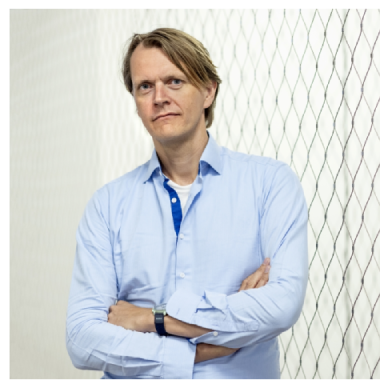
For him, Open Science is much more than just open access. It is about open data, open methods, pre-registration and transparency at every stage of research. It is precisely in this, he believes, that the gains in quality lie:
- Pre-registration as a quality tool
“The most important thing is the research question. What do we actually want to know, and what method will we use to investigate it? If you formulate and record that clearly together in advance – in a pre-registration – you force yourself to think carefully. That is perhaps the most important educational effect,” says Joeri. A year later, once the data has come in, you’ve often lost sight of that original question. “By going back to that pre-registration, you can see again: what did we actually promise to investigate, can we really answer that question with this data, and how do we describe that honestly?” - Open data increases rigour and usability
Open data makes research verifiable and reusable. Others can check whether the analyses are correct, but also use the same dataset to answer new research questions. Precisely because data is made public, researchers, according to Joeri, handle their analyses with greater care: “Most scientists are neurotic perfectionists. If you know that others are going to look at your data, you make an extra effort to do it properly and neatly.” - Transparency about the messy nature of research
Research is never neat and linear. By being transparent about choices, limitations and adjustments along the way, you show just how complex good research actually is. “The more open you are, the more visible it becomes where things are complicated or where something went slightly differently than hoped – and that is precisely where the gain in quality lies,” says Joeri.
At the same time, he recognises that cultural change is the real key. Technically, completing a pre-registration form is not difficult, and Amsterdam UMC already has systems and support in place, such as the facilities offered by Research Data Management. The challenge lies in day-to-day behaviour: “How do you ensure that people actually do it? That department heads focus on quality and openness?”
4 practical steps towards open science
His practical tips for researchers and supervisors at Amsterdam UMC are clear and concrete:
- Start every project with a joint, written research question
At the start of a PhD programme, take the time to write down the core question and methodology together. - Make pre-registration the norm
For every new research project, schedule a time to complete a pre-registration form together with the PhD candidate and save it in a register. After a brief instruction, this takes no more than an hour. - Publish data wherever possible
Work from day one with a data management plan that aims for (anonymised) open data. This not only helps others, but also increases your own rigour. - Use openness as a conversation starter about quality
In meetings, don’t just ask: “How many articles do you have?”, but also: “Has this been pre-registered? Is the data available? How transparent are we about our choices?”
For Joeri, Open Science is therefore not just an extra hobby alongside his ‘real work’, but a way to conduct better research. And if you ensure this is reflected in annual appraisals or qualification portfolios, you give researchers the opportunity to be recognised, and hopefully they will be able to be more open about their work and enjoy it more.