


Major impact on daily lifeSensory overload is common among people with brain disorders and often has a significant impact on daily life. For example, individuals may experience extreme fatigue, concentration problems, or difficulties with school, work, or social activities.
For this reason, the Dutch Brain Foundation has selected two projects aimed at improving the recognition of sensory overload and developing effective treatments. The ultimate goal is to prevent or reduce sensory overload in people with brain disorders.
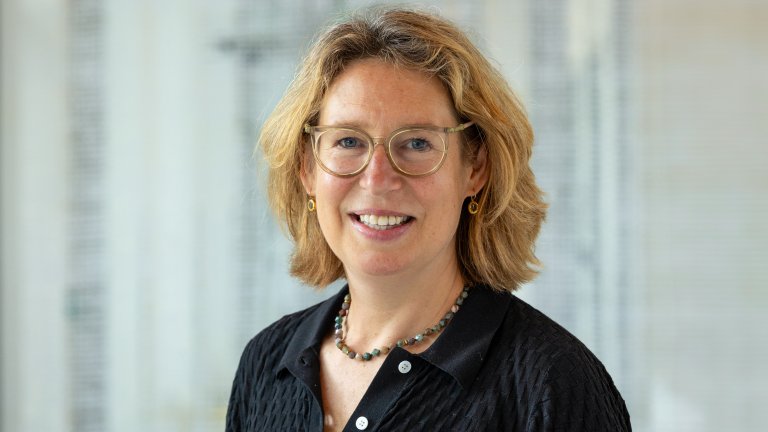
Overstimulation in MS and FNS
One of the projects focuses on overstimulation in people with multiple sclerosis (MS) and functional neurological disorders (FNS). The research is led by Dr. Brigit de Jong (Amsterdam UMC) and is being conducted within a national consortium involving researchers from Amsterdam UMC and Leiden University, among others. Co-investigators include Dr. Sonja Rutten (Amsterdam UMC) and Dr. Karin van der Hiele (Leiden University), along with several other research and healthcare institutions across the Netherlands.
The researchers aim to better understand what sensory overload is, how it can be recognized, and how it relates to symptoms such as fatigue and cognitive problems. They will also investigate a new treatment designed to help people cope more effectively with sensory stimuli. The ultimate goal is to develop an effective treatment for overstimulation that can be applied in clinical practice.
Significant impact, but difficult to treatA key challenge in studying overstimulation is the lack of a clear definition. Recognizing sensory overload is also difficult. Healthcare providers currently rely on questionnaires designed for specific conditions, and it is unclear whether these tools accurately measure overstimulation across different disorders. Moreover, there is currently no proven treatment that can effectively prevent or reduce overstimulation. Improving understanding, recognition, and treatment is therefore essential.
New researchIn this project, scientists will explore what overstimulation means for people with MS and FND. In MS, there is structural damage to the brain, whereas in FND, brain function is disrupted without visible damage. This contrast may help generate insights that are relevant to other neurological disorders. The scientists will also examine how overstimulation is related to other symptoms and brain activity. In addition, they will test a new online treatment for overstimulation.
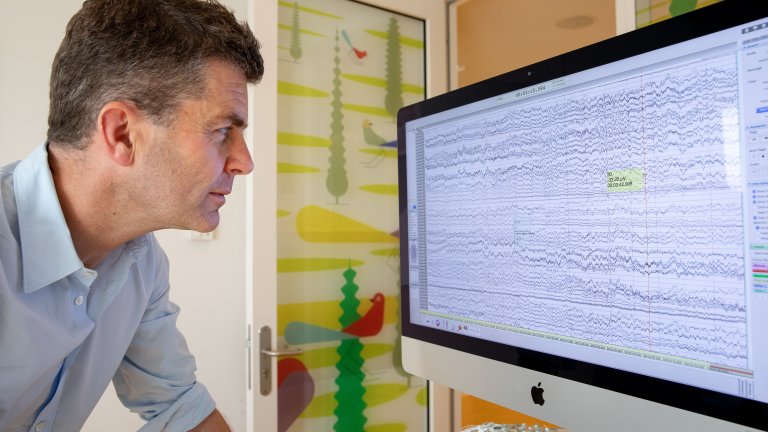
Better care for children with sensory processing difficulties
The second research project, SENSORY-Kids, focuses on children with sensory processing difficulties, such as those associated with autism, ADHD, or brain injury. This research is being conducted within a broad-based, national consortium. It is led by Prof. Dr. Hilgo Bruining of Amsterdam UMC, in collaboration with Dr. Martine van Dongen-Boomsma (Karakter, Center of expertise for child and adolescent psychiatry).
Many children have difficulty processing stimuli such as sound, light, or crowds. This can have significant consequences for their energy levels, concentration, and participation in school and social activities. In this project, researchers, healthcare providers, and patient organizations are collaborating to improve care for these children.
The goal is to identify sensory processing issues in children earlier and more effectively and to better coordinate care. By sharing knowledge and experiences within a national network, the researchers aim to ensure that children receive appropriate, evidence-based support more quickly.
Interested? Read more about the two projects and funding on the website of the Dutch Brain Foundation (Hersenstichting) in Dutch. Image: Adobe StockPictures: Mark van den Brink & Bas Uterwijk